winter · winter
Winter hike
A day on snowy trails. Staying warm when you stop, not just when you move.
Conditions on the day
Set what you expect and the list adjusts itself.
Temperature
Weather
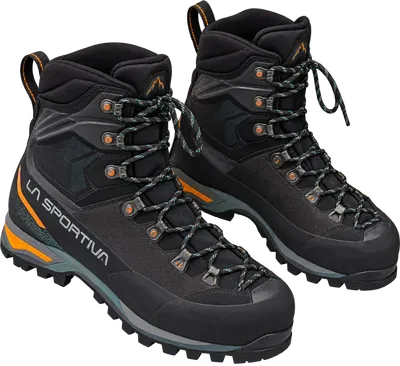
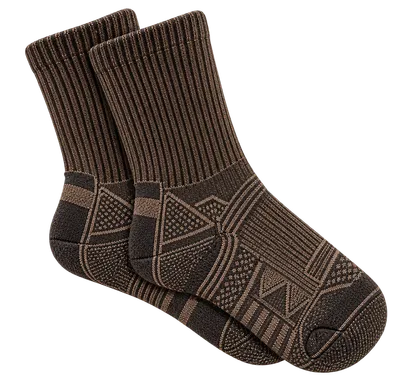
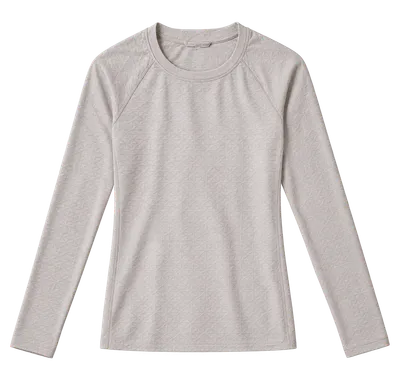
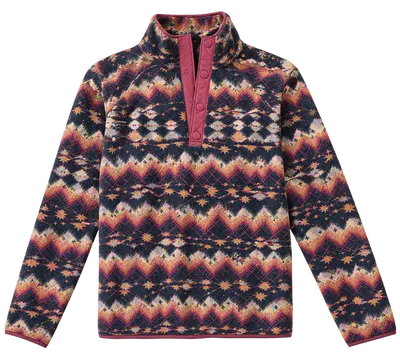
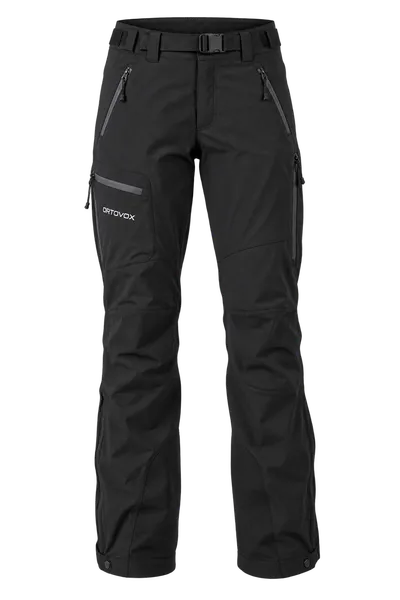
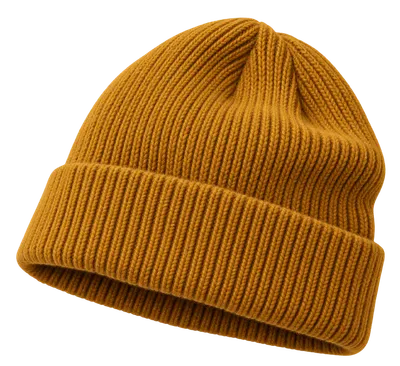
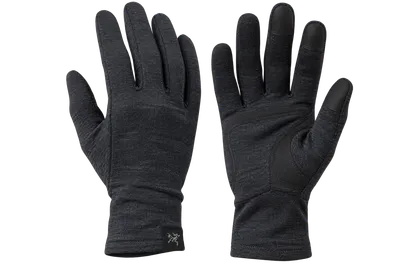
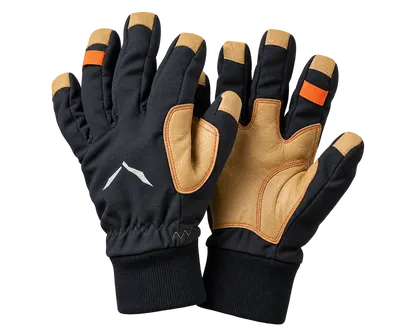
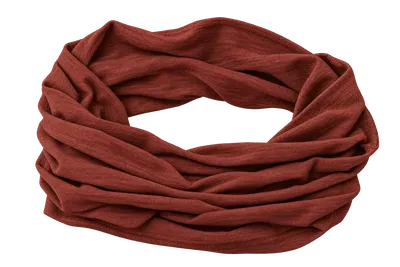
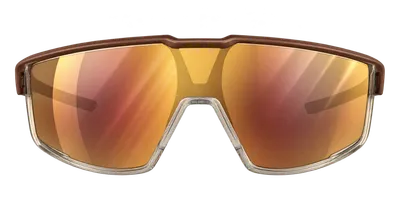
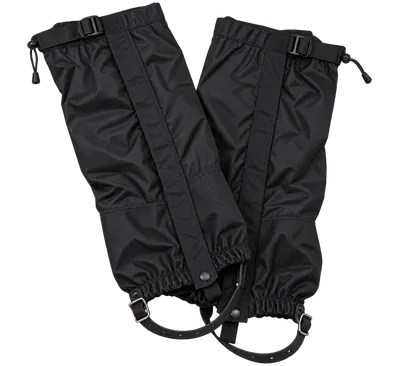
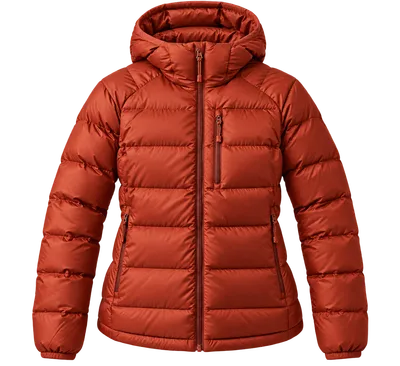

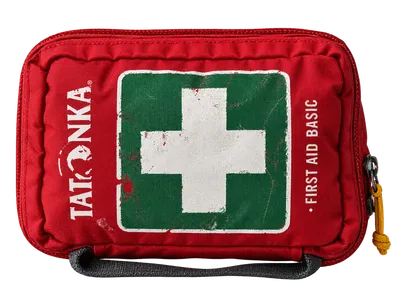
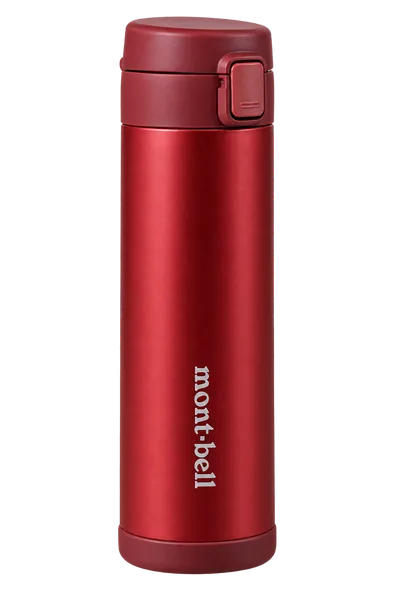
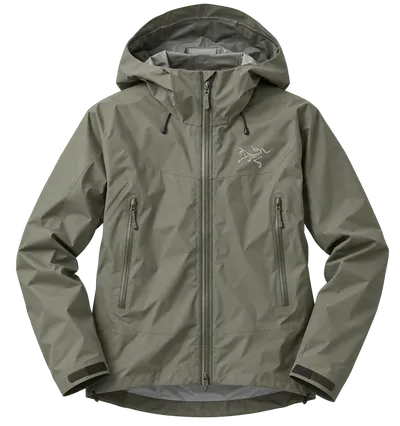
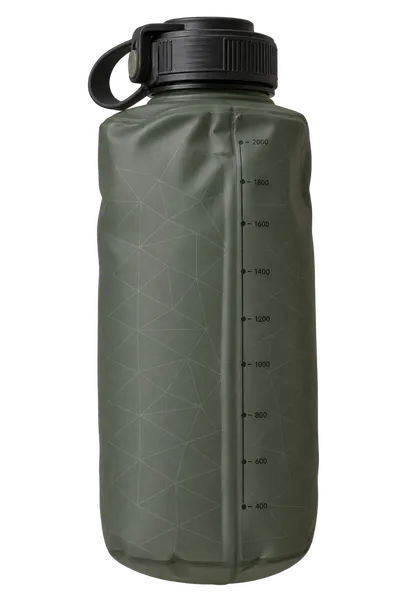
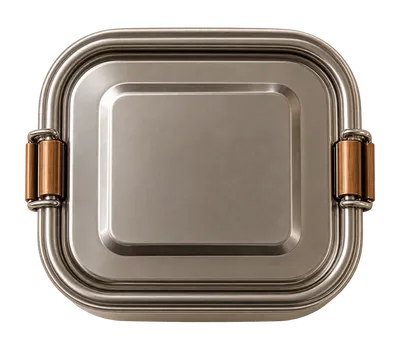
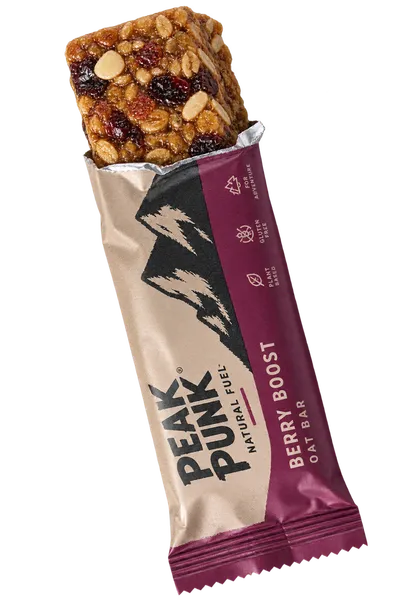
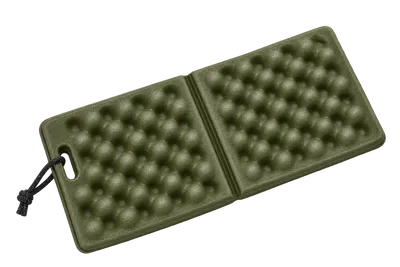
Wearing
In the pack
Food & water
Maybe
Winter walking isn’t cold summer walking — it’s its own game. You move slower, stop more, and the moment you stand still is the moment you get cold. The list above is my default for a day on marked winter trails, not for off-track touring in deep snow.
A few principles:
- Dress for the break, not the climb. Moving keeps you warm; standing lets the cold in. The thick insulated jacket stays in the pack until you stop — then it’s on in seconds, before you cool down.
- Wet is more dangerous than cold. Don’t sweat through your layers by starting too warm. Better to be slightly cold at the start, layers open, than to hit the wind in a soaked base layer.
- The day is shorter than you think. In December it’s dark by half past four. Take the headlamp and plan a generous turnaround time — snowy trails walk slower than the map suggests.
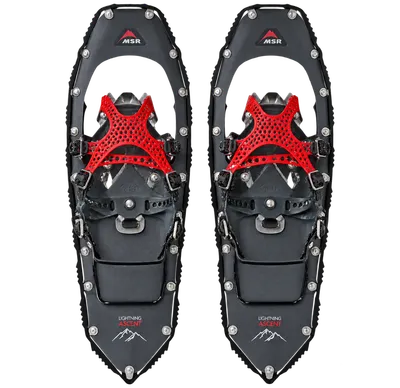
- Snowshoes turn a slog into a walk. Half a metre of fresh powder will chew through your day if you break trail in boots. On floats you keep moving; without them you sink to the knee every step and burn out by lunch.