via ferrata · summer
Via ferrata
Steel cable, iron rungs, exposed rock. The kit that keeps your hands, head and rope work honest.
Conditions on the day
Set what you expect and the list adjusts itself.
Temperature
Weather
Wind
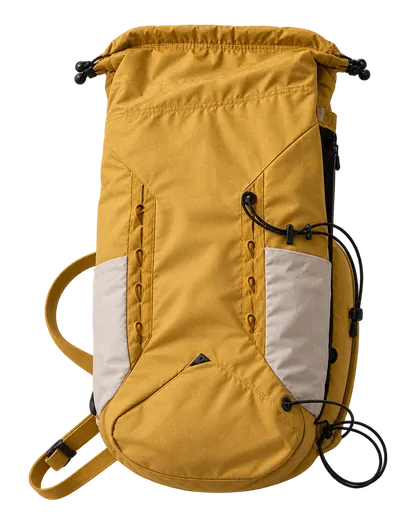
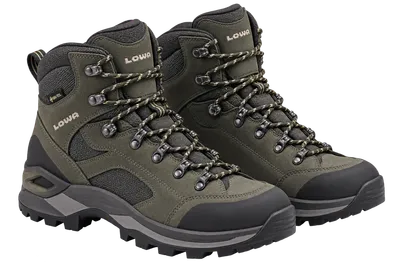
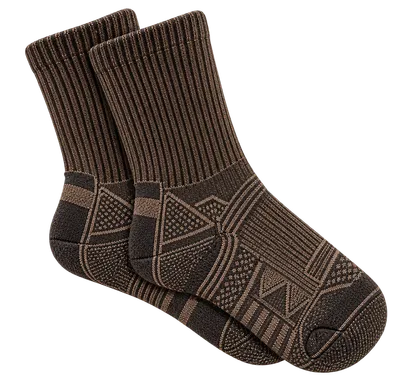
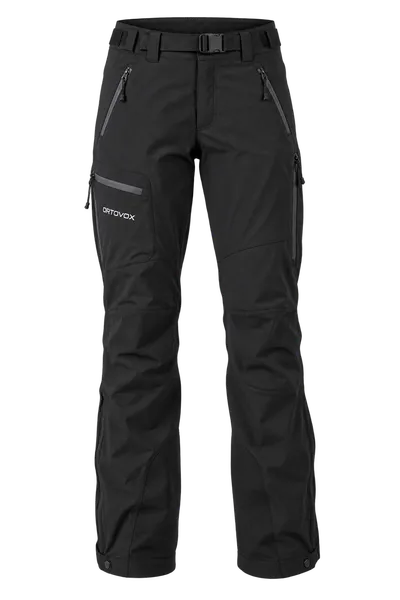
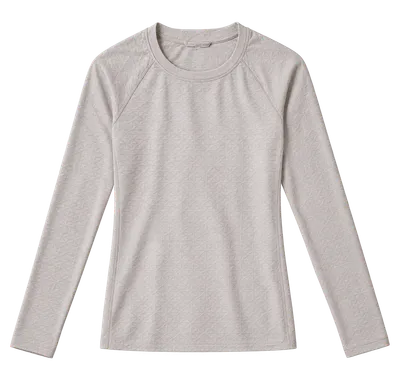
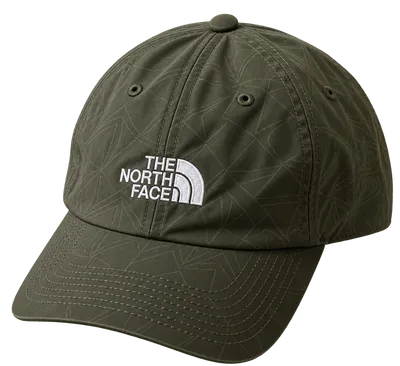
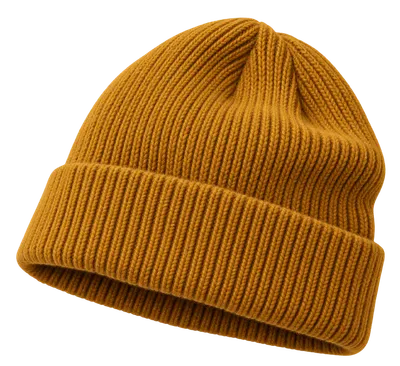
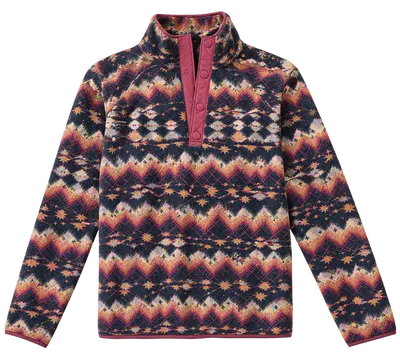
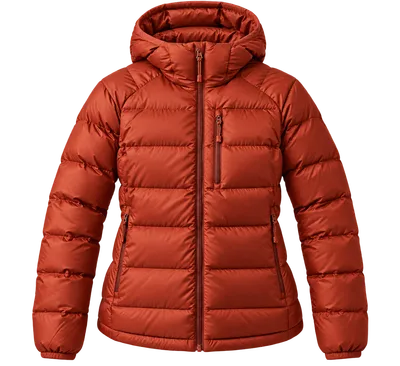
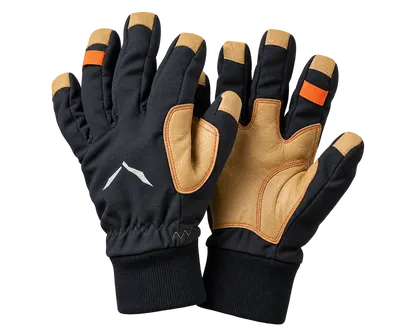
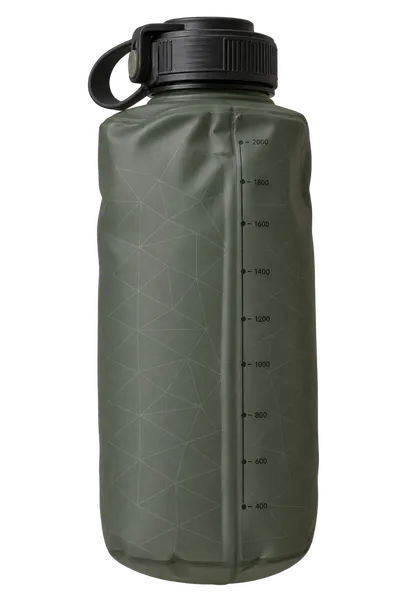
Wearing
Technical gear
In the pack
Maybe
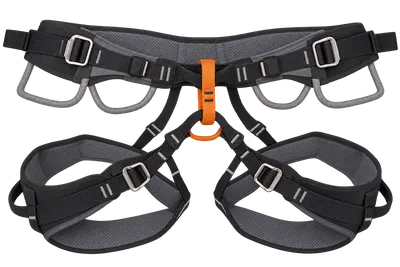
A via ferrata sits between hiking and climbing, and the kit reflects that: you need a harness and a helmet, but you’re moving on your own two feet most of the time, clipped to a cable rather than tied to a rope. The list above is my general-purpose setup — check the specific route’s length and grade and adjust.
A few principles:
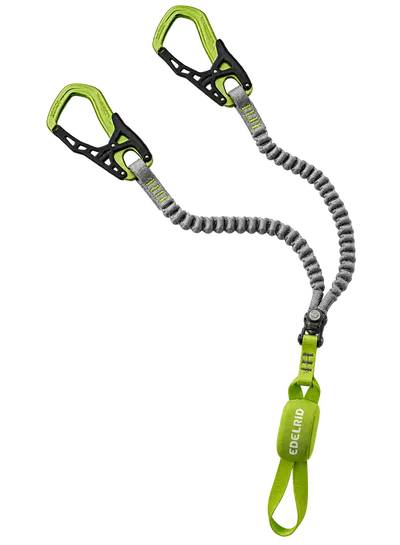
- The lanyard is not optional, and neither is its expiry date. A via ferrata set with a proper shock absorber (EN 958) is what turns a fall onto the cable from a broken back into a hard yank. Sets are rated for a fixed number of years from manufacture — check yours, and never improvise one from slings and carabiners.
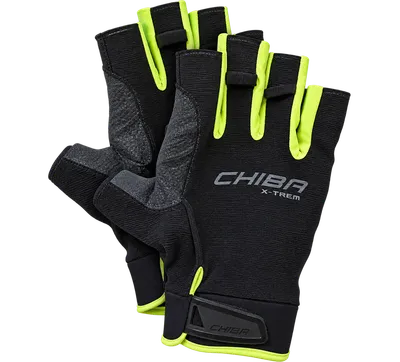
- Gloves save your hands, not your ego. Steel cable gets sharp with wear, hot in the sun, and rough on skin after a few hundred metres of holding on. A reinforced palm is worth more than looking sporty without them.
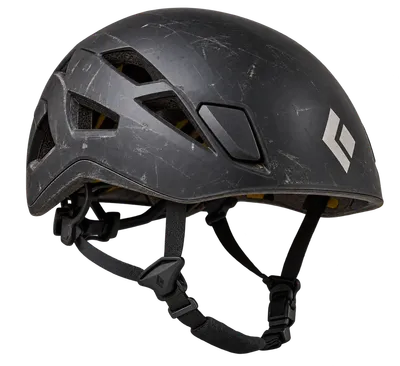
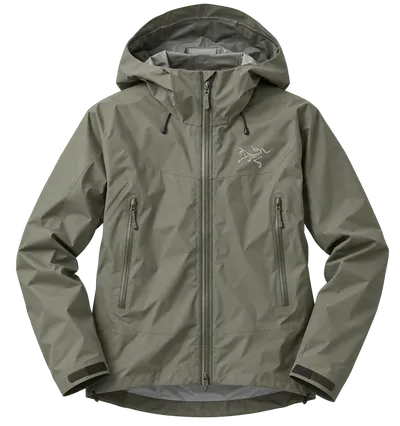
- The helmet is for other people’s mistakes. On a popular route, rockfall dislodged by the party above you is a bigger risk than a fall of your own. Wear it from the first rung to the last, even on routes rated easy.
- Stay clipped in, always. Move one carabiner past an anchor point at a time — never unclip both together to save a few seconds. It’s the one habit that turns a slip into a non-event.
- Match the grade to your ability, then check the weather too. The Hüsler (Schall) scale runs K1 to K6; know what you’re climbing into before you start. Steel cable on an exposed ridge is no place to be when a storm rolls in — start early, watch the clouds build through the day, and retreat if in doubt.
- Give the cable room. Keep a few metres between yourself and the next climber wherever the route allows it — a fall with slack in the system loads the anchor harder the closer together you are. Use resting ledges to let faster parties pass rather than racing them on the cable.